


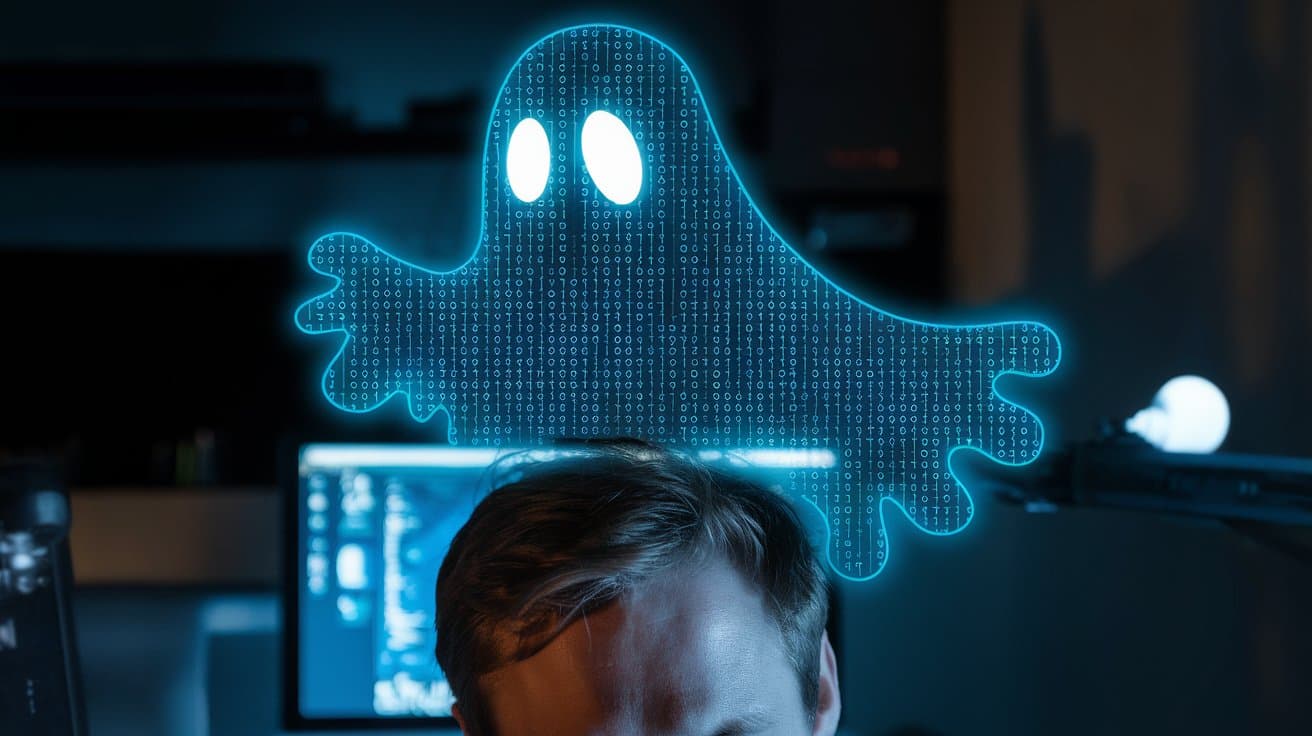
Have you ever wondered if your loved one who’s passed away can come and talk with you? Have you ever wished to hear their voice, ask something, or feel their presence again? Yes, you can. With digital ghosts, we can interact with AI-powered replicas of the deceased and their virtual versions. However, when technology progresses, it brings a lot of relevant questions.
What Are Digital Ghosts?
A digital ghost is a virtual reproduction of a person after death, created and sustained by the use of AI technologies. It can recall the personality, style of communication, and behavior from the digital footprints that any person leaves behind, such as in posting social media content, emails, photos, or videos. In effect, digital ghosts are AI-powered replicas that allow people to connect with a version of their relatives long after they are dead.
How Does AI Create Digital Ghosts?
- Data collection: By Collecting data in all possible ways about the person including posts on social networking sites and private messages, emails, photos, videos, etc that may predict his/ her personality and conversation.
- Natural Language Processing: AI will learn a person’s language usage pattern and produce it. It will look at the text and speech patterns and formulate responses related to the individual’s style, tone, and vocabulary.
- Machine Learning Models: Advanced machine learning algorithms, such as deep learning neural networks, will use this collected data. The models would learn how this person might react to all these scenarios so that the digital ghost could eventually make this digital representation conversational and reasonable for ordinary conversations.
- Virtual Interfaces: After the digital ghost has been trained, it is deployed on interactive platforms. This could mean through a chatbot on an SMS application or even a full-immersive VR setting with a virtual avatar. Or maybe that holographic projection in the form of a human shape for all the more realistic interactions.
Where Can We Apply This?
- Interactive Memorials: The digital ghosts will be interactive memorials that enable individuals to act towards some entity exhibiting the attributes of the beloved and thus giving them closure and continued interaction, helping persons let go of pain and, hence, cope with sorrow.
- Preservation of Wisdom and Memories: AI can preserve and share the knowledge, stories, and life lessons of those who have passed. Just imagine having a virtual mentor, one who receives their advice based on the wisdom accumulated in a lifetime.
- Virtual Assistant: A digital ghost could also be a personal virtual assistant that assists and guides the users with insights and suggestions tailored according to the individual's perspective and experiences.
- Entertainment Media: Most importantly, digital ghosts could revolutionize the entertainment industry by making interactions with historical figures or celebrities- a new means of telling stories or gaining engagement.
What Will Be The Treats of Digital Ghosts?
- Mental Risks: Digital ghosts can be helpful to mourners' mental health but are also risky. AI technologies can lead to attachment, information overload, and anthropomorphism, as well as emotional loss when discontinued, causing people to view them as human-like over time. Over-reliance on ghosts causes mourners' alienation from living companions and information overload.
- Reputational Risks: It creates reputational risks, which include privacy, hallucination, and fidelity risks. Privacy risks involve disclosing truthful information that could violate someone's privacy. Hallucination risks arise from presenting untrue or fabricated information. Fidelity risks occur when false or unintended information is shared, potentially leading to misunderstandings or errors. All these can affect both the memory of the deceased and the living. Digital media can interfere with the natural process of recall as they constantly remind the mourners of negative events and traits.
- Security Risks: Digital ghosts pose security risks, including stealing identity, hijacking, and malicious activities. Identity thieves can take advantage of these ghosts to obtain sensitive information. Such hijacking attacks can make ghosts do unethical or criminal things for personal gain. Malicious ghosting can be misused for abusive or criminal purposes.
- Socio and cultural Risks: It also presents socio-cultural risks as it alters the labor market, interpersonal relationships, and religious institutions related to modern society. Their agentic nature can lead to economic stagnation and disorganization of society. This can also alter religious practice, transform the practice, or disappear the religion.
What Are The Ethical Guidelines and Regulations?
- Obtain written and informed consent from people before creating digital personas for them before they pass away.
- Place age restrictions to safeguard the vulnerable.
- Labeled disclaimers to ensure transparency Protocol
- Robust data security and privacy.
What Will Be The Future of Digital Ghosts and AI in The Afterlife?
The diffusion of AI with the notion of the afterlife is set to completely change our perception of death and memory. As AI continues to advance, digital ghosts will become increasingly customized and be able to respond even to very subtle emotional cues and make contact more meaningful. Societies will probably codify their law on such rights and responsibilities surrounding these digital personas, including matters of ownership, inheritance of those digital assets, and rights to privacy after death. The convergence of these digital ghosts with virtual and augmented reality technologies can augment these experiences even more heavily immersive, placed within dynamic-realistic conditions to further interact with digital replicas.
Over time, digital ghosts might become more prevalent. This could lead to a cultural shift in how we remember and think about the deceased. Using digital memorials and interacting with AI to remember those who have passed may become a common and widely accepted practice.