


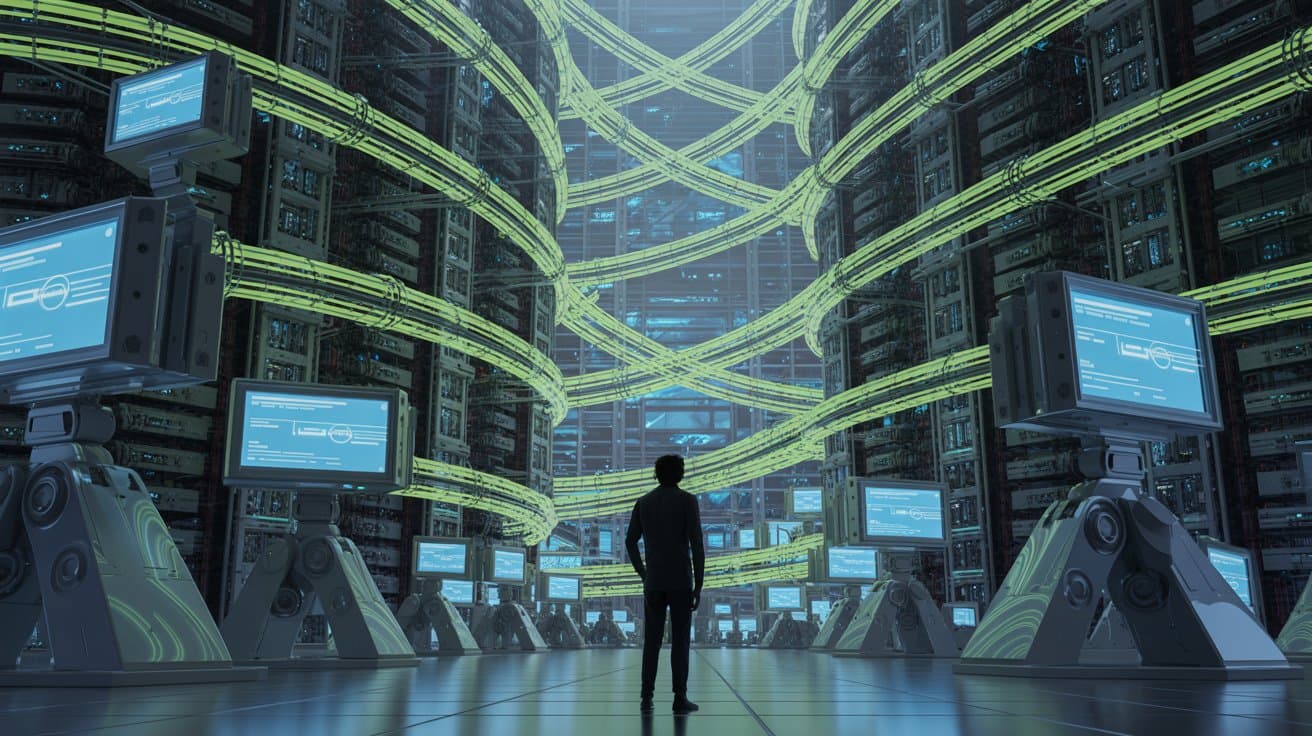
Technology today is no longer just a tool we use, it’s something that actively makes decisions for us. From recommending what we watch or buy to influencing who gets hired, approved for a loan, or even how medical risks are assessed, digital systems now shape real-life outcomes.
The problem? Many of these systems are so complex that even the people who build them don’t fully understand how they work.
This gap exists largely because of the intense pressure to innovate fast. Markets reward companies that launch first, not necessarily those that pause to ask hard questions about ethics, transparency, or long-term impact. As a result, technology is often released before we’ve truly thought through its consequences. The focus stays on what it can do now, not what could go wrong later.
We’re already seeing the effects of this imbalance. Social media platforms, designed to maximize engagement, have unintentionally fueled misinformation and polarization. AI systems have repeatedly shown that they can absorb and amplify existing biases in data, affecting everything from hiring decisions to law enforcement. These outcomes weren’t usually driven by bad intentions, but by a relentless push for scale and speed that left little room for reflection.
So the real issue isn’t progress itself, it’s progress without understanding. When technology advances faster than our ability to explain, regulate, or question it, society is forced into a reactive role instead of a leading one. And in that gap, trust begins to erode.
The question we need to ask isn’t “Can we build this?” but “Do we truly understand what we’re building?”
Why This Matters More Than Ever
Most of the technologies that we develop nowadays not only make life more convenient but also determine the way we live. Automated systems dictate quite personal and social decisions: whether planning a family, whose voices get heard online, to how information disseminates and how trust is built in digital communities. If such systems remain without transparency and accountability, their effects will be beyond the software only and will start reshaping society.
What people dread the most is not technology breaking down, but technology working flawlessly in ways that we do not fully comprehend or control. When human supervision is removed, we start trusting automated decisions blindly. Hence, gradually, human discretion is diminished, and the divide between technological dominance and society's capacity to regulate it gets wider.
We must reconsider the idea of progress at this point in time. Innovation can be fueled by speed and scale, yet its real significance is in responsibility and comprehension. In the absence of such equality, technology is in danger of turning away from being a tool for development to becoming a cause of unintended, frequently irreversible, disasters.
When Speed Outpaces Understanding
When technology advances faster than our ability to understand it, the effects go far beyond tech companies and innovation labs. Automated systems are increasingly making human decisions often without transparency or accountability, shaping who gets access to opportunities, information, and even basic rights.
This lack of clarity leads to a growing loss of trust. When people don’t know why a loan was denied, a post was flagged, or a job application was filtered out, confidence in both technology and institutions begins to fade. Over time, innovation starts to feel intimidating rather than empowering.
There’s also a deeper social impact. While AI and automation can boost productivity, unchecked use can widen inequality, concentrate wealth, and replace jobs faster than society can adapt.
Perhaps most concerning is dependency. As we rely more on machines, we risk questioning them less, weakening human judgment and critical thinking when it matters most.
If understanding can’t keep up with innovation, society is left reacting instead of shaping progress.
Technology Making Decisions We Don’t Understand
Today’s high-tech systems often function like black boxes. Even the people who build them don’t always fully understand how these systems arrive at their decisions, they know how to train them, but not always how they reason. This creates an imbalance of power between those who deploy the technology and those affected by it.
AI-driven hiring tools, credit-scoring algorithms, and medical decision-support systems are common examples. When their outcomes can’t be clearly explained, responsibility becomes blurry. If an automated decision causes harm, who is accountable, the system, the data, or the organization using it?
As these technologies become deeply embedded in everyday life, we risk accepting their decisions without question, placing blind trust in systems we don’t truly understand.
Why Faster Technology Isn’t Always Better
In some ways, it's really quite thrilling that technology just seems to be moving so fast. We are endlessly bombarded with new gadgets that are supposed to make our lives not only more efficient and more convenient but to help us also be more clever in making decisions. Yet, when progress goes that fast, the main problems are often left unnoticed, forgotten, or even misunderstood.
The issue is not that technology is improving, but at times it is so quickly implemented that the consequences on people, society, and the environment are not thoroughly considered and understood.
A Question Worth Asking
As technology becomes more powerful and more autonomous, one question remains central: Are we comfortable letting systems we don’t fully understand shape the most important decisions of our lives?
The answer to that question may determine whether technology remains a force for progress or becomes a source of consequences we only recognize after it is too late..