


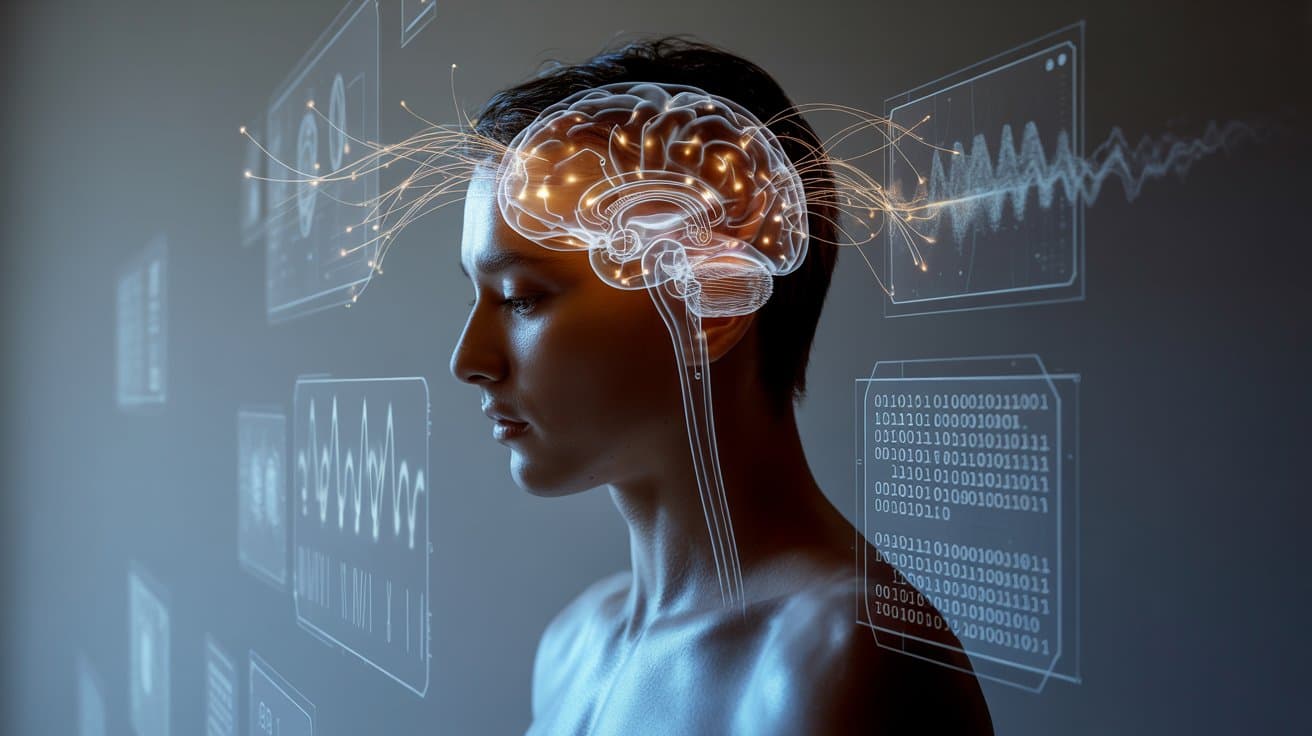
In today’s hyper-connected world, technology is no longer just something we use for work or communication. It has quietly worked its way into our everyday lives and, in many ways, into our feelings too. The songs we listen to, the reels we scroll through, and the messages we receive can all lift our mood, distract us, or even make us anxious. This leads to an important question: Could technology ever truly control human emotions?
Human emotions are deeply complex. They are shaped by our memories, personal experiences, relationships, and the environment around us. However, technology is now learning how to detect, predict, and in some cases influence these emotional responses. As a result, the line between emotional influence and emotional control is starting to feel a little blurry.
How Technology Already Influences Our Feelings?
Many digital platforms today are designed with one main goal: to keep our attention. Social media, for instance, uses algorithms to show content that matches our interests and emotional reactions. A like, a positive comment, or a share can trigger a small rush of dopamine, the “feel-good” chemical in our brain. Over time, we may begin to seek that online validation more often than we realize.
Streaming platforms recommend songs or shows based on our past choices and current mood. Video games are carefully built to create excitement, challenge, and satisfaction. Even simple things like notification sounds or vibration alerts are created to make us feel a sense of urgency or importance.
While this might not be direct “control,” it clearly shows how much influence technology already has over the way we feel on a daily basis.
Artificial Intelligence and Emotional Recognition
Artificial Intelligence has become surprisingly good at reading human emotions. By studying facial expressions, voice tone, and body language, AI systems can now guess how a person is feeling at a particular moment. This field is known as affective computing.
Today, chatbots and virtual assistants can detect frustration, happiness, or stress and respond in a more supportive and human-like way. This can greatly improve customer service experiences and even help in educational or therapy settings.
However, this also comes with risks. If this technology is used unethically, it could potentially be used to manipulate people’s emotions in advertising, politics, or online platforms, especially when people are most vulnerable.
Technology in Mental and Emotional Well-being
On the brighter side, technology has also become a powerful ally in supporting mental health. Meditation apps, mood journals, virtual therapy sessions, and relaxation programs help people better understand and manage their emotions.
Virtual Reality is even being used to treat anxiety disorders, phobias, and post-traumatic stress in a safe and controlled environment. In these situations, technology is not controlling emotions, it is helping people regain control over them.
Influence vs Control: The Real Difference
There is an important difference between influencing emotions and controlling them. Technology can suggest certain feelings, trigger reactions, or affect our mood in the moment. But it does not have consciousness, morals, or a sense of identity. Humans, on the other hand, can reflect, question, resist, and make choices.
True emotional control would require complete power over a person’s mind and personal identity, something technology is still very far from achieving. Each person experiences emotions differently, and that uniqueness acts as a natural barrier against full control.
Looking Towards the Future
New technologies like brain-computer interfaces signal a world where devices could be wired directly to the human brain. On one hand, it may be a fantastic breakthrough to cure depression or brain-related diseases, but on the other hand, it terrifies people with issues related to privacy and abuse.
VR and AR will get better and better, to the point where it will be almost impossible to tell if the experience is real or virtual, and thus, the emotional impact of these new worlds will be stronger than ever. When the lines between the different realities become indistinct, it will be critical to ensure that human principles, compassion, and morals are still guiding the progress.
Conclusion
It is an undisputed fact that the influence of technology on our feelings is massive. Everything that we experience, from sight to sound, and even the interaction with the world, is all affected by it. Yet, still, the mastery over one's emotions is kept within the human race. The power to experience, think, and decide is solely ours.
The real question is not whether technology can control our emotions, but whether we are aware enough to protect our emotional independence in a rapidly evolving digital world. Because in the end, the greatest power does not lie in machines, it lies in the humans who create and choose how to use them.