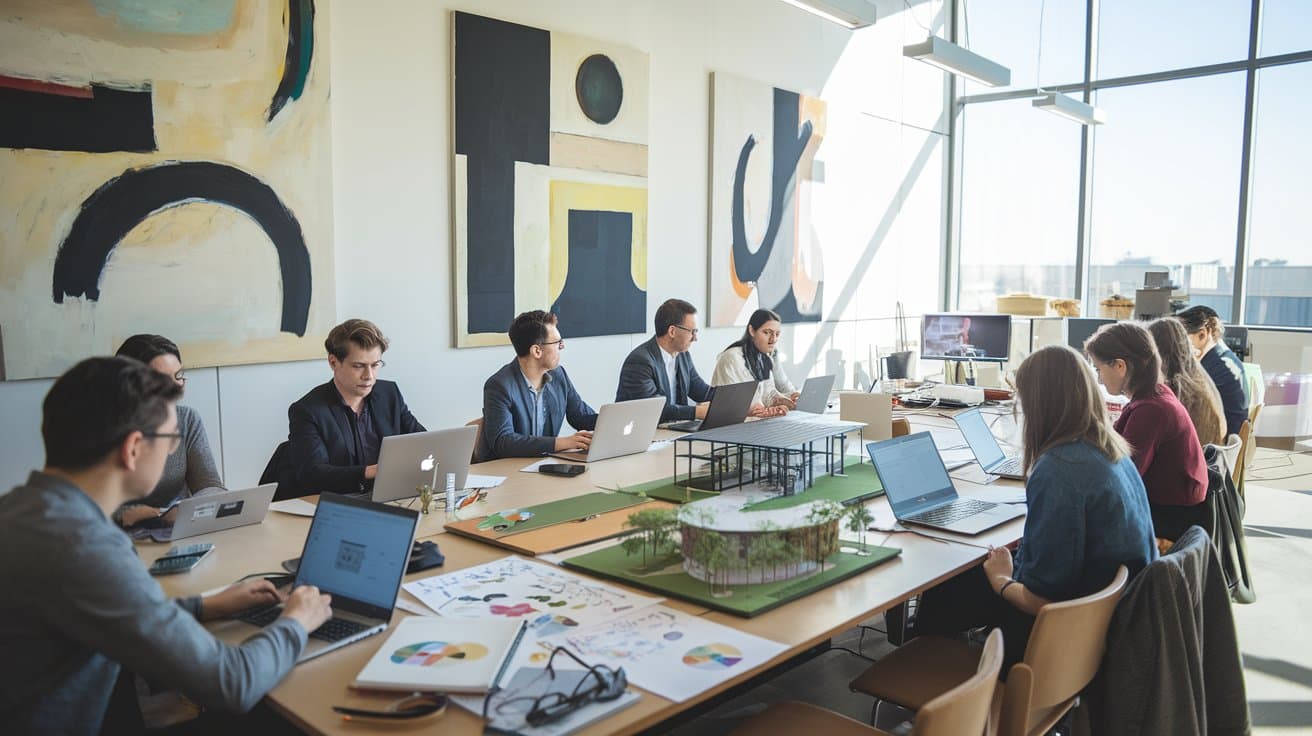
Have you ever thought about where the things you use will end up once you no longer need them? Are they going to a landfill, or are they designed to go through the process of recycling, reuse, or repurposing? The pressure on companies to produce products that meet the demands of consumers while making a minimal environmental impact is increasing. Sustainable product design is no longer an option but a mandate. It's the act of looking forward into the future, allowing companies to navigate product innovation responsibly while ensuring long-term sustainability.
Sustainable product development means creating and producing products that consider environmental, social, and economic sustainability. It means less waste, the use of green materials, and ethical production processes. It includes not only the finished product but also the entire lifecycle-from production, which includes sourcing raw materials, to the eventual disposal or recycling of the product.
Advances in technology promote the thrust toward sustainability. Companies are utilizing AI, automation, and 3D printing to do more with less, increase efficiency, and reduce waste. The digital product passport and blockchain technology allow organizations to trace materials throughout the supply chain, delivering accountability and transparency.
Sustainable product development includes the full understanding of product requirements, usage, and environmental impacts like resource consumption, energy use, waste generation, and CO2 emissions. For this, engineers have to work on improving energy use and reducing the amount of material consumed for production. Sustainable design in electronics involves replacing materials with alternatives that can be recycled and involves aspects surrounding conflict minerals, rare earths, and halogenated flame retardants. At the product level, designers manage power consumption and determine the environmental impact on the product lifecycle. Finally, all products must meet safety and regulatory standards.
The future of product design is aligned with the circular economy concepts, with waste reduced and products reused or recycled on an ongoing basis. Businesses that implement sustainable design today will not only save the planet but also lead markets as the world becomes greener.
Through future planning, businesses can create innovative, ethical products that ensure sustainability for generations to come.