


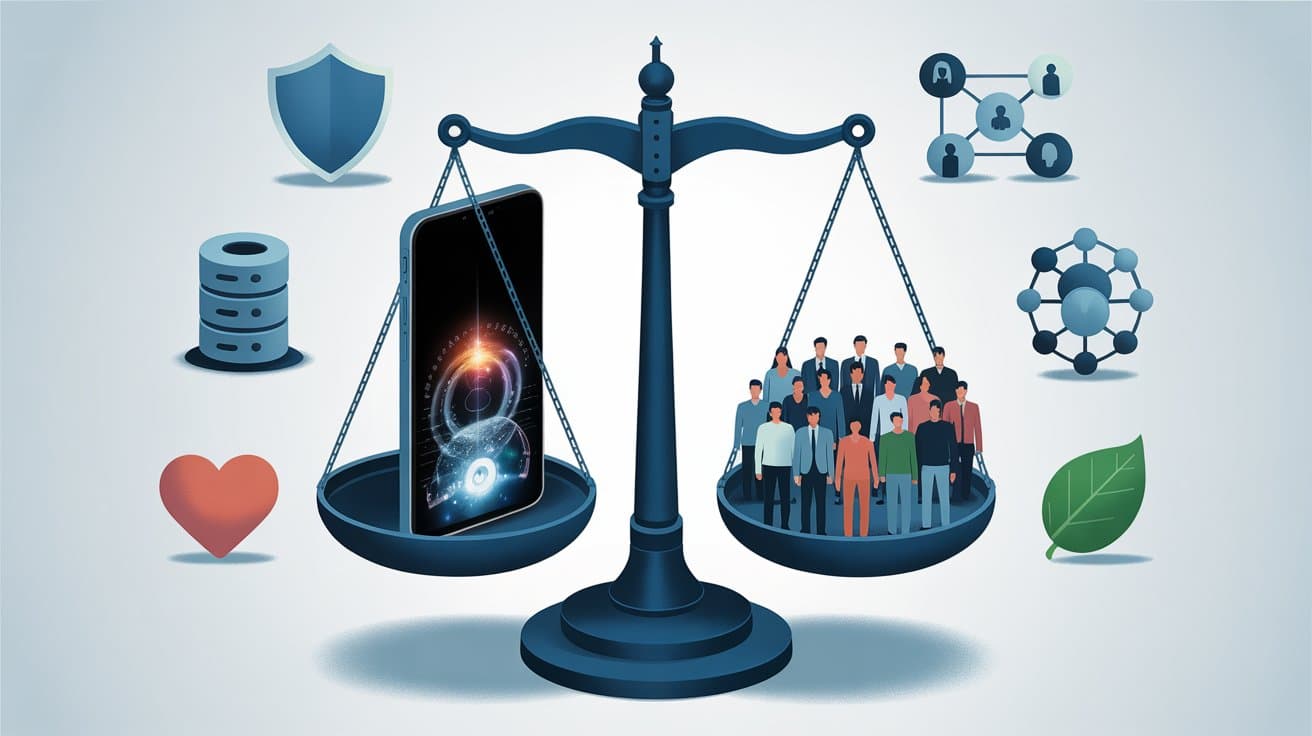
Technology Is No Longer Neutral
Technology firms in contemporary times do not only build software and digital platforms; they have grown to become behavioral shapers, market makers, and even societies themselves. Technology has come to operate on a societal level from shaping the way we consume information to affecting our hiring processes, finance, health care, and education through artificial intelligence and algorithmic manipulation.
This shift means technology can no longer be viewed as neutral infrastructure. Every design decision and business model carries ethical implications. Modern tech companies must therefore move beyond asking what can be built and begin asking what should be built.
Innovation Without Responsibility Creates Risk
The tech sector has always valued speed and disruption. But innovation that is not mindful of its ethical ramifications can easily lead to unintended consequences like discrimination, information manipulation, or engagement methods that negatively impact people's psychological well-being.
Such problems do not occur due to any maliciousness but because the growth trajectory of companies has moved ahead of its governance. Ethical innovation demands that businesses think about the future consequences of their actions and incorporate ethics into their decision-making processes.
Data Ethics: Trust as the New Currency
Data powers today’s technology to bring about personalization and intelligence. However, it comes with a great responsibility concerning privacy, consent, and transparency. Consumers are becoming more aware of the worth of their data and demand its ethical use.
In this regard, an ethical organization sees itself as the custodian of the consumers' data, rather than seeing it as a resource. Being transparent, providing security, and using it ethically will build credibility and create loyal customers. Trust is now one of the key competitive advantages in the digital economy.
Artificial Intelligence and Algorithmic Accountability
Artificial Intelligence is revolutionizing decision-making processes in various industries; however, artificial intelligence carries human biases. In cases where there is no proper governance, automated decision-making may inadvertently perpetuate inequality or marginalize certain groups.
Ethical AI development requires fairness, explainability, and human accountability. Organizations must ensure automation enhances human judgment instead of replacing ethical responsibility. As AI influences critical areas of life, companies must actively govern the power they deploy.
The Human Impact of Digital Platforms
Modern tech firms function as social organizations that affect communication, learning, and work cultures. As technology influences behavior through its platform, ethical issues should be broader than just usability; they should include emotional and psychological consequences.
Responsible designs aim at enhancing people’s lives by ensuring their safety and empowerment and not just their engagement. Sustainable technologies are those where growth is achieved alongside human good.
Regulation Is Rising - But Leadership Must Come First
Stricter guidelines related to AI, competition, and privacy are being introduced by governments across the globe. Yet, ethical leadership is not limited to the enforcement of these regulatory measures, which come into effect when issues have already arisen.
The best organizations incorporate ethical principles in governance, strategy, and culture. They adopt a proactive stance and ensure that ethics become a strategic differentiator for their business.
Ethics as a Core Business Strategy
The future success of technology businesses will depend on more than just innovation; it will depend on being responsible. Ethics must be transformed from individual projects to a core principle that influences product development, communications, and growth.
When ethics becomes part of the organization’s culture, the company moves away from responding to problems and toward building trust. Responsibility helps build reputation and engage stakeholders.
How Aventus Ensures Ethical Technology Development
At Aventus, ethical responsibility is integrated throughout the technology lifecycle rather than added after development. Innovation begins with research-led strategy, ensuring solutions address real human needs while considering long-term impact.
Aventus applies human-centered design, transparent data practices, and responsible AI implementation to balance business outcomes with user well-being. By combining market research, consulting insight, and technology execution, the firm ensures innovation remains aligned with trust, accountability, and sustainable growth.
The Future: Building Technology Worth Trusting
Technology companies now hold unprecedented influence over how people work, communicate, and make decisions. The future of innovation will be measured not only by technological advancement but by its positive impact on society.
Organizations that recognize that innovation creates possibility while ethics creates sustainability will lead the digital future. Ethical responsibility is no longer separate from business success, it is the foundation of it.