


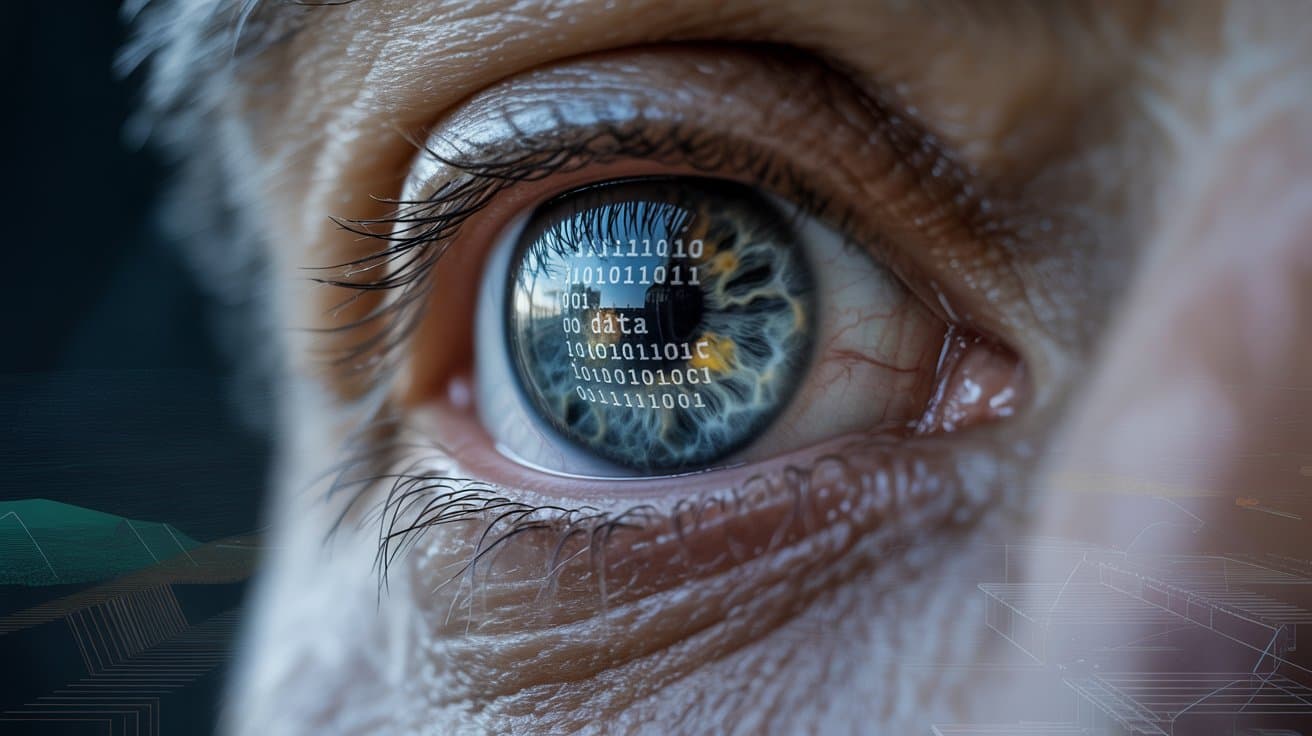
Facial Recognition Technology (FRT) has become the latest technological intrusion into our lives, opening the security checks of our smartphones at airports and unlocking the retail experience. However, with its fast acceleration in adoption comes ethical issues relating to its use. By nature, FRT questions privacy, consent, bias, and accountability. Let's explore the moral implications of this revolutionary and highly controversial technology.
Privacy Concerns
Facial recognition is a technology wherein face features are scanned and analyzed; in doing so, a unique biometric template for every subject may be generated. Even though these have much potential in augmenting security, convenience, and streamlining processes, the technology raises serious privacy issues.
The major issue is that there is no transparency involved with the collection, storage, and use of facial data. Individuals always remain unaware whether their faces were scanned in a given facility, or whether the scanned images are liable to be stored in any databases. Absolute lack of consent violates the very essence of one's right to privacy. Further, hacked databases could bring sensitive information leading to cases of identity theft or some other misuse.
Bias and Discrimination
Facial recognition systems remain unbiased when the firm trains the data well. Sadly, it is now revealed that such systems could be more prone to errors in certain demographic groups, such as women and minorities. The risk is that such bias can lead to false identifications which could lead to unwarranted arrests or denial of services altogether. For instance, research on leading institutions such as the National Institute of Standards and Technology (NIST) has shown that FRT is non-optimal for non-Caucasian face identification. These gaps in the underlying evidence of distortions underscore the importance of inclusivity in the datasets and the assessment process to reduce bias.
Surveillance and Consent
The use of facial recognition systems in public places (e.g., airports, malls, and streets) generates deep ethical concerns about surveillance. If people are under constant surveillance, without their informed consent, such an environment leads to a culture of mistrust and destroys the right to individual freedoms. Governments or organizations can abuse such pervasive mass surveillance to stifle dissent or impose social control.
Accountability and Regulation
Another key ethical issue is that there are no clear regulations for using facial recognition technology. But when this technology fails or is misused, who will be held responsible? There is currently a lack of virtually global standards or legal frameworks that hold companies and governments to account for the incorrect use of FRT.
Regulations should encompass the following issues: data protection, consent, and oversight, to realize ethical use of the technology. Some regions like the European Union have already begun to take steps towards this with laws such as the General Data Protection Regulation (GDPR). However, there is a need for a global approach coordinated for the cross-border effects created by FRT.
Balancing Innovation and Ethics
Facial recognition technology truly brings a lot of amazing possibilities: its usage can range from enhancing public safety to allowing for personalized consumer experiences. Nevertheless, the ethical issues that it brings forth cannot be overlooked. Companies and governments shall find a middle ground between innovation and conscience, ensuring that the technology will be used for societal good without breaching individual rights.
Here are some steps to achieve:
- The policies must be made open: Organizations working with Facial Recognition Technology (FRT) should reveal for how long, for what purpose, and how biometric data has been collected and stored.
- Bias Mitigation: Developers should prioritize establishing inclusive datasets and systematically audit their algorithms for bias.
- Consent Mechanism: Everyone should retain the ability to refuse facial recognition systems whenever possible.
- Strict Regulation: Governments should establish clear laws and guidelines to regulate the use of FRT.
- Public Dialogue: Engagement with communities and stakeholders will assist in providing for addressing some of the ethical issues.
Conclusion
Facial recognition technology is, in fact, a very powerful instrument that can change industries and improve people's lives. However, its ethical implications are supposed to be scaled up carefully to protect the general rights of a person. Provided that transparency, fairness, and accountability come first, however, FRT may also gain from being escorted by individual liberty.