


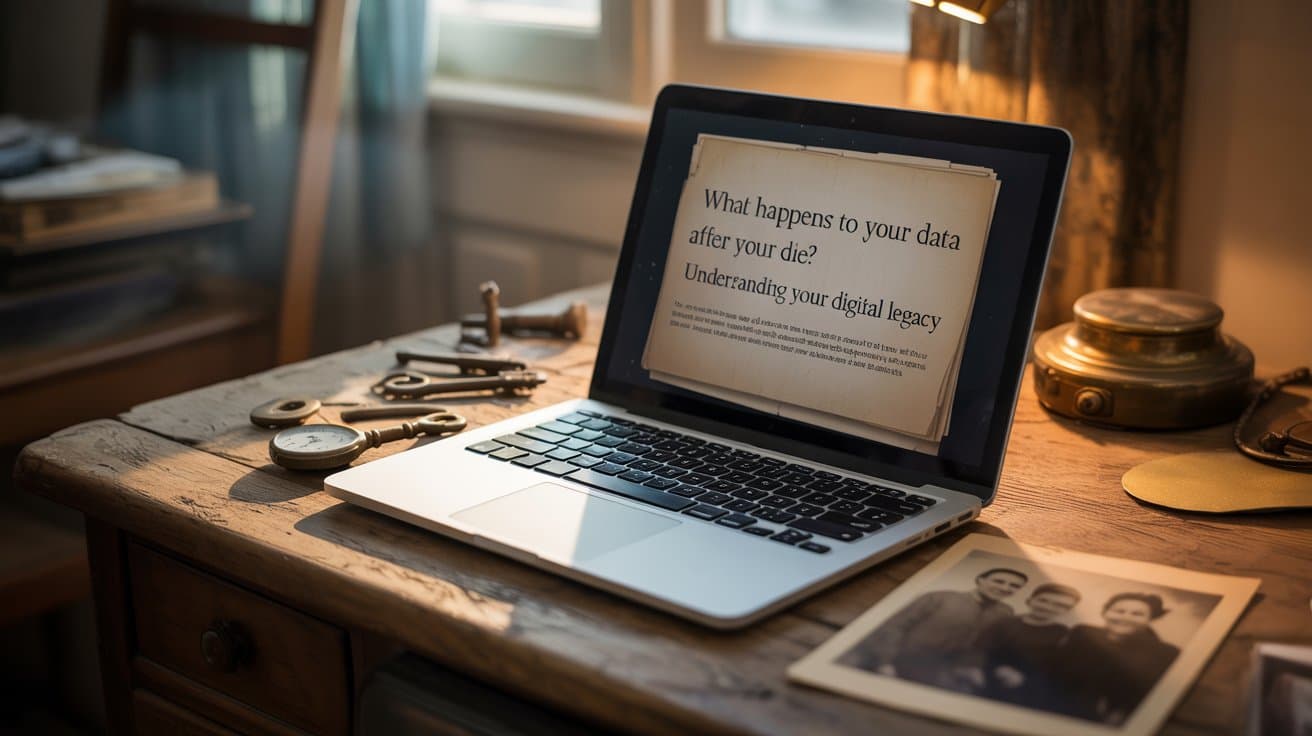
Have you thought about what happens to your Instagram photos, WhatsApp messages, or files on the cloud after you die?
It's a strange and serious question in today’s world, in which our lives are heavily entwined with technology, like the digital footprint we leave behind daily by liking a post, saving a file to Google Drive, sending a voice message, or just visiting a website.
What Is a Digital Legacy?
Digital legacy indicates everything that you have left online. This includes your social media accounts (Facebook, Instagram, X (formerly Twitter)), your emails, photos, videos, documents in the cloud (for example Google Drive, iCloud), personal blogs or websites, digital portfolios, financial accounts (crypto wallets, Paypal, banking apps), subscriptions and e-commerce profiles. These assets are no longer considered to be physical. The inherent problem with digital assets is that many are hidden behind passwords, encryption, and privacy policies on platforms that make it almost impossible to access and manage them after death. The legal status of your accounts can also be murky in some parts of the world.
How Major Platforms Handle Deceased Users?
- Facebook: Users can select a legacy contact to handle their memorialised account. This individual can share tributes and manage friend requests, but cannot access private messages.
- Google: Provides an Inactive Account Manager, enabling users to assign contacts who will receive access to their data if they become inactive for a designated period. This represents one of the most proactive strategies for dealing with digital legacies.
- X(Twitter): Accounts are deactivated after six months of inactivity, and usernames may become available again. However, family members must show proof of death to access or deactivate accounts.
- Apple: Gaining access to a deceased person's Apple ID is a more complicated process, often necessitating legal documents. Apple does not permit access to iCloud accounts without appropriate authorization.
In most cases, if you take no action, your accounts may become locked indefinitely or be deleted after a set time of inactivity.
Who Owns Your Data When You’re Gone?
Legally, it's a gray area. Most terms of service explicitly say that accounts are non-transferable, even to family. That is, unless you've arranged access or included it in a digital will, your loved ones might have no right to get back your files, even if it has sentimental value or monetary value.
In most nations, online assets are not yet legally established within the inheritance code. This legal loophole can cause bitter outcomes, ranging from losing irreplaceable memories to passing on unsettled monetary obligations.
India's DPDP and the Rise of Posthumous Digital Rights
India's Digital Personal Data Protection Act (DPDP) 2023 introduces the Right to Nominate, allowing individuals to nominate another individual to act on their behalf after death or incapacity. This right allows nominees to request access to personal data, deletion or correction, withdraw consent, or carry forward pending DSRs on the individual's behalf. However, the DPDP Act doesn't explicitly exempt government entities from honoring nominations, and its execution in the government context is conditional and still evolving. Global laws like the General Data Protection Regulation (GDPR) and the California Privacy Rights Act (CPRA) do not explicitly allow posthumous rights. Still, they do allow authorized representatives to act on behalf of a living data subject. The Right to Nominate empowers families and legal heirs, upholds personal autonomy beyond life, and bridges the gap between digital rights and personal dignity. As global laws slowly inch toward posthumous digital rights, India's DPDP Act might set the precedent for data control in the private sector.
Final Thoughts: Planning for a Life Beyond Login
In a time when we exist, coexist, work, and keep memories online, our online lives are no longer detached from ourselves. Most of us still think of our online lives as temporary and forget that our information can stay online even after we're gone. From intimate messages and treasured photos to bank accounts and personal records, your online presence is worth as much consideration and concern as your physical legacy. Whether it's setting a legacy contact, using tools like Google's Inactive Account Manager, or choosing a nominee under India's DPDP Act, planning your digital legacy isn't just about control. It's about dignity, autonomy, and making things easier for the people you leave behind."
As the law gradually keeps up with our online realities, one thing is certain: your data speaks volumes about you, even after death. The question is, do you let someone else write the last chapter, or will you take control of how it is remembered?