


For years, we have viewed technology as a tool. A calculator helped us calculate faster. Email helped us communicate faster. Software helped us organize work better. The technology was always there to support the human.
AI agents are beginning to change that equation.
Unlike traditional software, AI agents do not simply wait for instructions. They can analyze information, make decisions within defined boundaries, coordinate tasks, and even execute entire workflows. In many organizations, they are already handling customer queries, generating reports, scheduling activities, monitoring systems, and supporting operational decisions with minimal human intervention.
This raises an interesting question. If a system can perform tasks independently, manage responsibilities, and continuously improve its output, are we still talking about a tool, or are we talking about something that resembles a digital employee?
The distinction matters because it changes how leaders think about work.
When we introduce a new software platform, we train employees to use it. When we introduce an AI agent, we increasingly find ourselves training the AI, assigning responsibilities, defining guardrails, measuring performance, and monitoring outcomes. These are activities that look surprisingly similar to managing a team member.
Of course, AI agents are not employees in the traditional sense. They do not possess judgment, accountability, creativity, or emotional intelligence in the way humans do. They cannot build trust with a client, navigate organizational politics, inspire a team, or understand the nuances behind a difficult decision.
But they are becoming contributors.
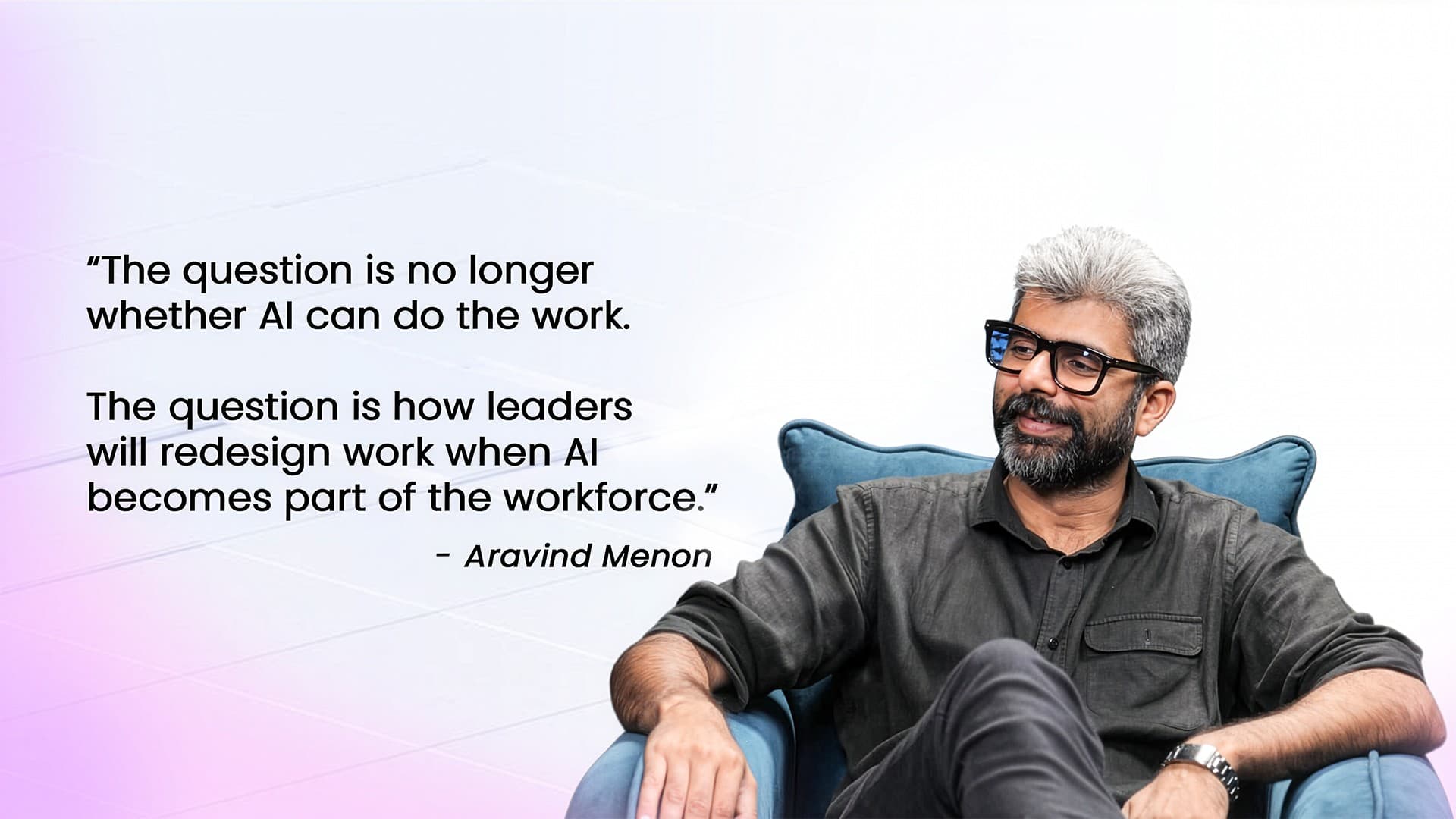
The most forward-thinking organizations are not asking whether AI will replace people. They are asking how people and AI can work together to create better outcomes. They are redesigning workflows around collaboration between human expertise and machine execution.
This shift will challenge leaders more than it challenges technology.
Managing people is already complex. Soon, leaders will be managing people, AI agents, automated workflows, and the interactions between them. The organizations that succeed will not necessarily have access to the best AI. They will be the ones that learn how to integrate AI into their culture, processes, and decision-making frameworks.
Every major technological shift changes the nature of work. AI agents may be the first technology that changes the nature of the workforce itself.
The future workplace may not be built around humans using tools. It may be built around humans leading teams that include both people and intelligent digital agents.
That is a very different conversation from automation. And it is one every leader should start paying attention to.
Originally written on LinkedIn