


For years, when we talked about the digital divide, we were talking about internet access.
The concern was simple: some people had access to information, education, and opportunities online, while others did not. Governments, businesses, and communities worked hard to bridge that gap because we understood that being disconnected from the internet meant being left behind.
Today, I believe we are witnessing a new kind of digital divide.
This time, it is not about who has access to the internet. It is about who is using AI and who is not.
What makes this shift interesting is that almost everyone already has access to AI tools. Many are free or available at a very low cost. Yet there is a growing difference between people who have made AI part of their daily lives and those who continue to ignore it.
I see this everywhere.
Some people use AI every day to learn new skills, explore ideas, write content, analyze information, automate repetitive work, and solve problems faster. They are constantly experimenting and discovering new ways to improve how they work and think.
Others barely touch it. They may have heard about AI, read a few headlines, or tried it once or twice, but it has not become part of their routine. Some believe it is overhyped. Others feel overwhelmed by the pace of change. Many simply do not know where to start.
At the moment, the difference between these two groups may not seem dramatic.
But I suspect it will become increasingly visible over the next few years.
The reason is simple. AI is not just another software tool. It is a capability multiplier.
When someone learns how to use AI effectively, they can often research faster, generate ideas more quickly, communicate more clearly, and spend less time on repetitive tasks. They can focus more of their energy on creativity, decision-making, and strategic thinking.
Imagine two professionals with similar skills and experience.
One spends an hour each day using AI to learn, experiment, and improve their workflow. The other continues working exactly as before.
The gap between them may be small after a week. It may still be difficult to notice after a month.
But after a year or two, the difference could be significant.
This is how most technology revolutions work. They do not transform everything overnight. Instead, they create small advantages that compound over time.
The internet rewarded people who learned how to navigate information effectively. Social media rewarded people who understood how to build audiences and communities online.
AI is likely to reward people who learn how to collaborate with intelligent systems.
That does not mean everyone needs to become an AI engineer or a technical expert.
What matters is developing AI literacy.
People need to understand how to ask good questions, how to evaluate AI-generated responses, how to identify where AI can help, and where human judgment remains essential. These skills will become increasingly important across industries, regardless of job title or profession.
One of the biggest misconceptions about AI is that the future is a competition between humans and machines.
I think the reality is different.
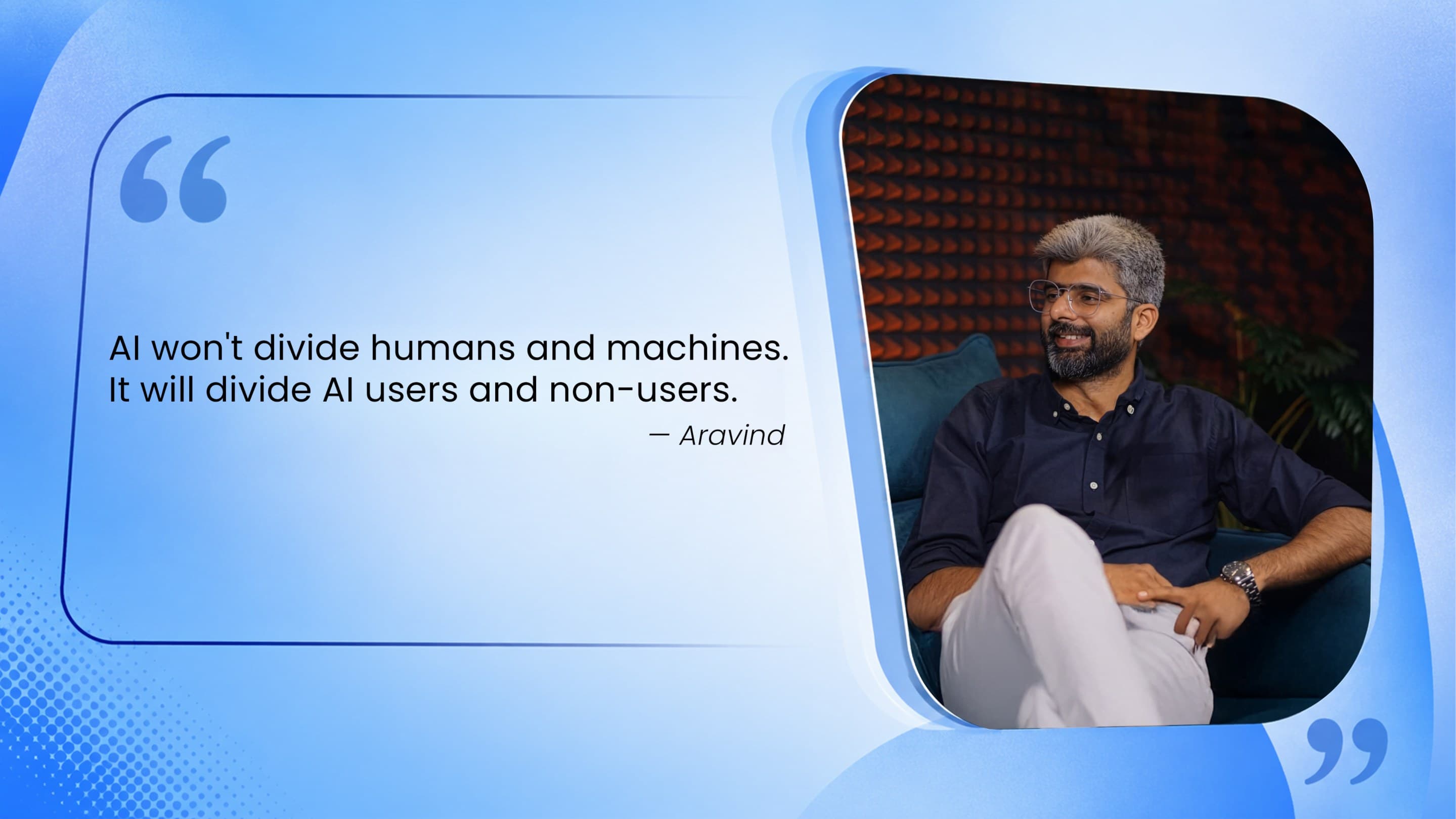
The more likely competition is between people who know how to use AI effectively and people who do not.
Those who learn to work alongside AI will often move faster, learn faster, and create more value. Those who ignore it may find themselves struggling to keep pace, not because they are less talented, but because they are operating without the same tools and leverage.
That is why I believe the new digital divide is not about internet access.
It is about AI access, AI literacy, and AI adoption.
The internet gave us access to information. AI gives us access to amplified capability.
The question is no longer whether AI will become part of our lives. That future is already unfolding around us.
The real question is whether we choose to engage with it, learn from it, and use it to expand what we are capable of achieving.
Those who do may find themselves on one side of the next great divide. Those who do not may discover that the gap is much larger than they ever expected.
Originally written on LinkedIn