


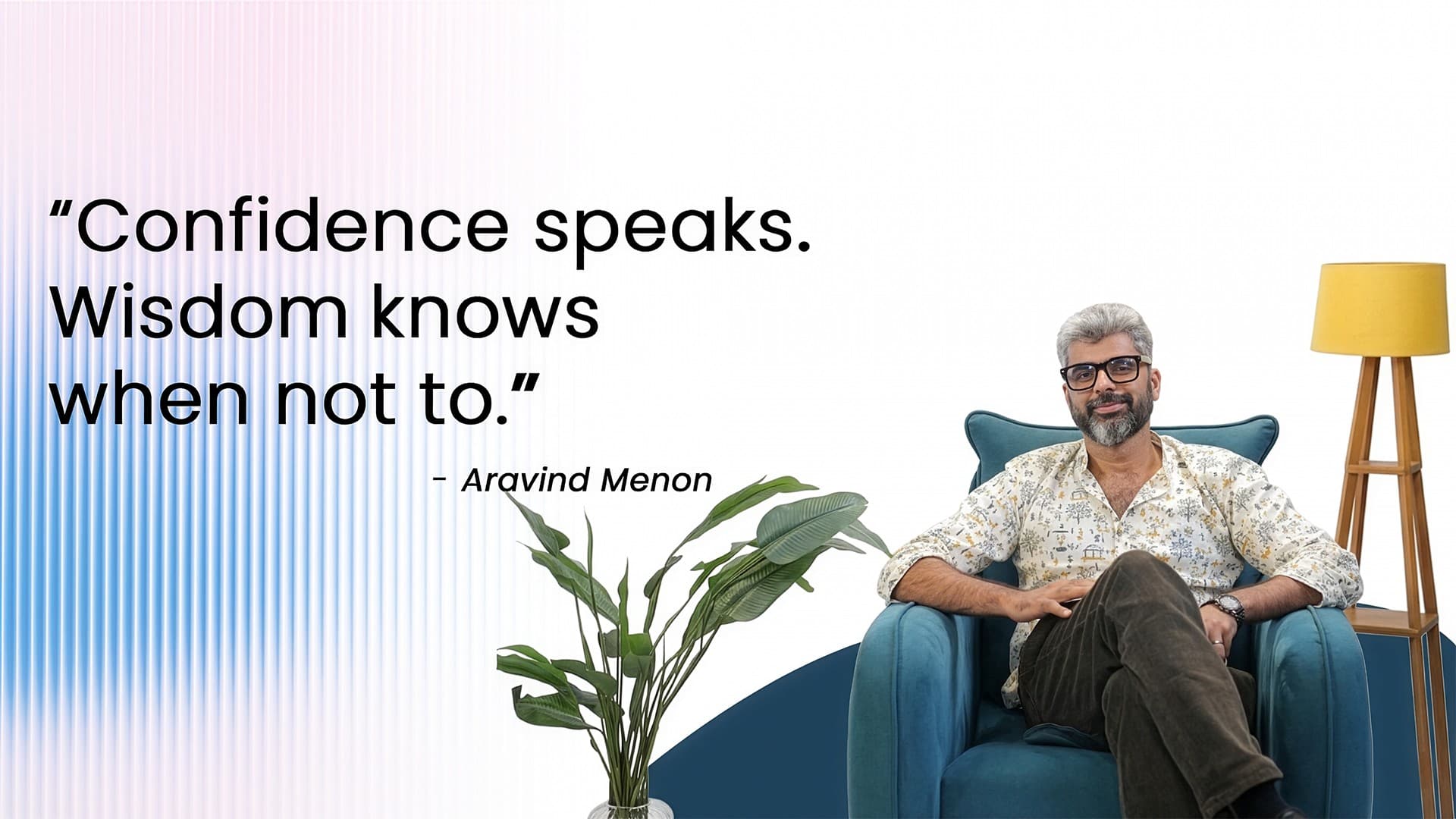
We often think leadership is about saying the right things at the right time. Motivating people, giving answers, speaking with confidence, and taking charge in every situation. That is usually what leadership looks like from the outside. But if you spend enough time around strong leaders, you start noticing something different. A lot of their strength comes not from what they say, but from what they choose not to say.
Strong leaders do not feel the need to react to everything immediately. They do not speak just because silence feels uncomfortable. They do not make promises in the heat of the moment or offer answers simply to appear in control. They understand that words have weight, and once spoken, they can shape trust, direction, and emotion in ways that are not always easy to undo.
I have often seen leaders talk too much when what the situation really needed was thought. They respond quickly, react emotionally, or say things to reassure people before they fully understand what is happening. In that moment, it may look like confidence. But many times, it only creates confusion. A rushed promise becomes pressure later. A careless comment affects trust. An emotional reaction makes a problem bigger than it needs to be.
Strong leaders understand this better than most. That is why they choose their words carefully. Not because they are afraid to speak, but because they know leadership is not about constant talking. It is about saying what matters and leaving out what does not.
They do not say yes to everything just to be liked. They do not pretend to know something they don’t. They do not blame others publicly to protect themselves. And they do not speak from ego when the moment calls for clarity. Sometimes, leadership sounds like “Let me think about this.” Sometimes, it sounds like “I was wrong.” And sometimes, it sounds like nothing at all, because not every moment needs an immediate reaction.
This kind of leadership is not loud, and that is exactly why people miss it. But teams notice it over time. People trust leaders who do not speak carelessly. They feel safer around leaders who do not react from impulse. They respect leaders who communicate with intention instead of emotion.
In the end, leadership is not about saying more. It is about knowing when to speak, what to say, and what is better left unsaid. That quiet restraint often says more about a leader than words ever can.
Originally written on LinkedIn